The Marketplace Savings Illusion
Let's do some quick math that nobody wants to do.
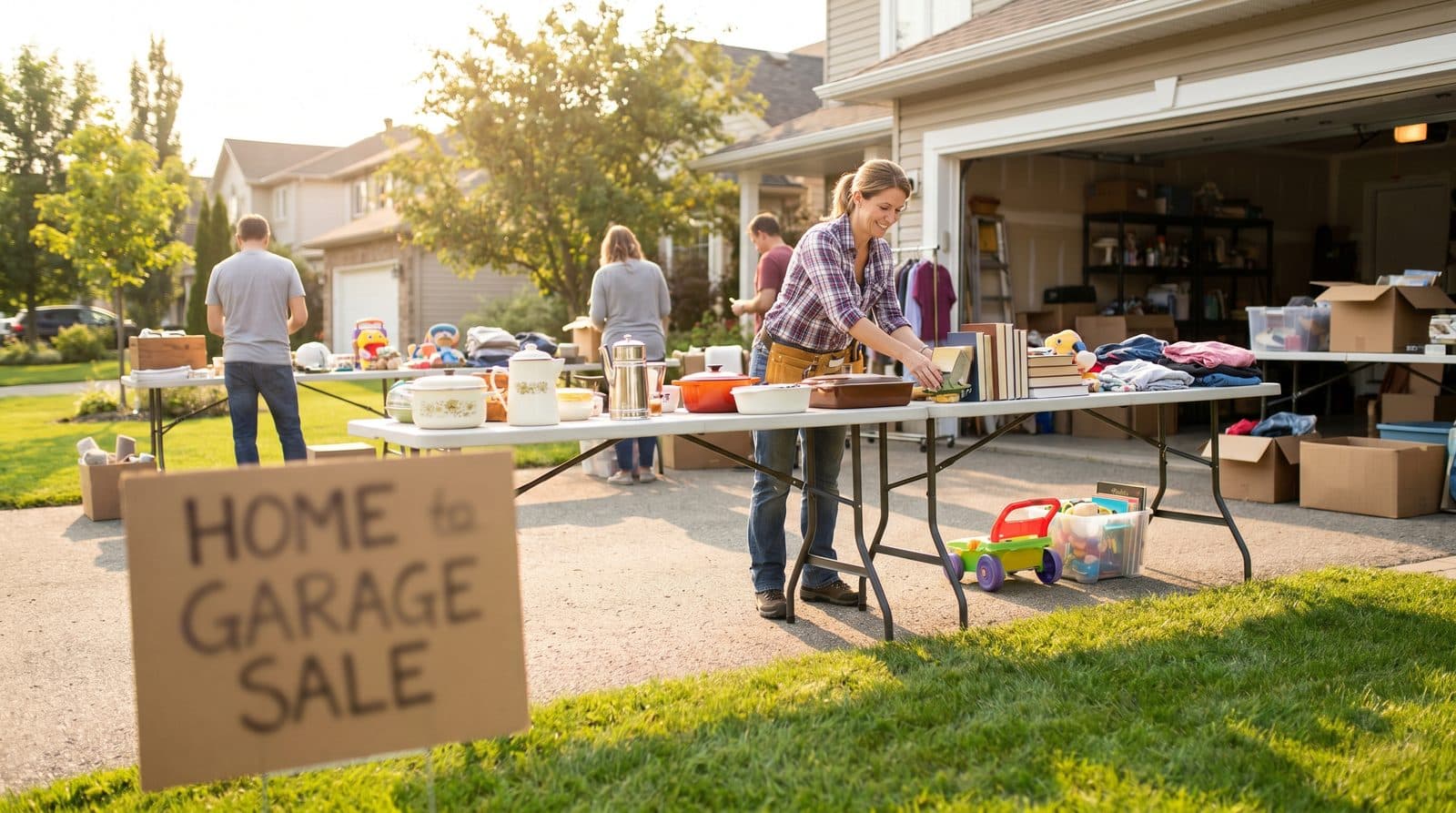
You find a used standing desk on Facebook Marketplace for $180. Retail is $500. You message the seller, schedule a pickup for Saturday morning, drive 35 minutes across town, and it's exactly what you wanted. You load it into your car, drive home, and congratulate yourself on saving $320.
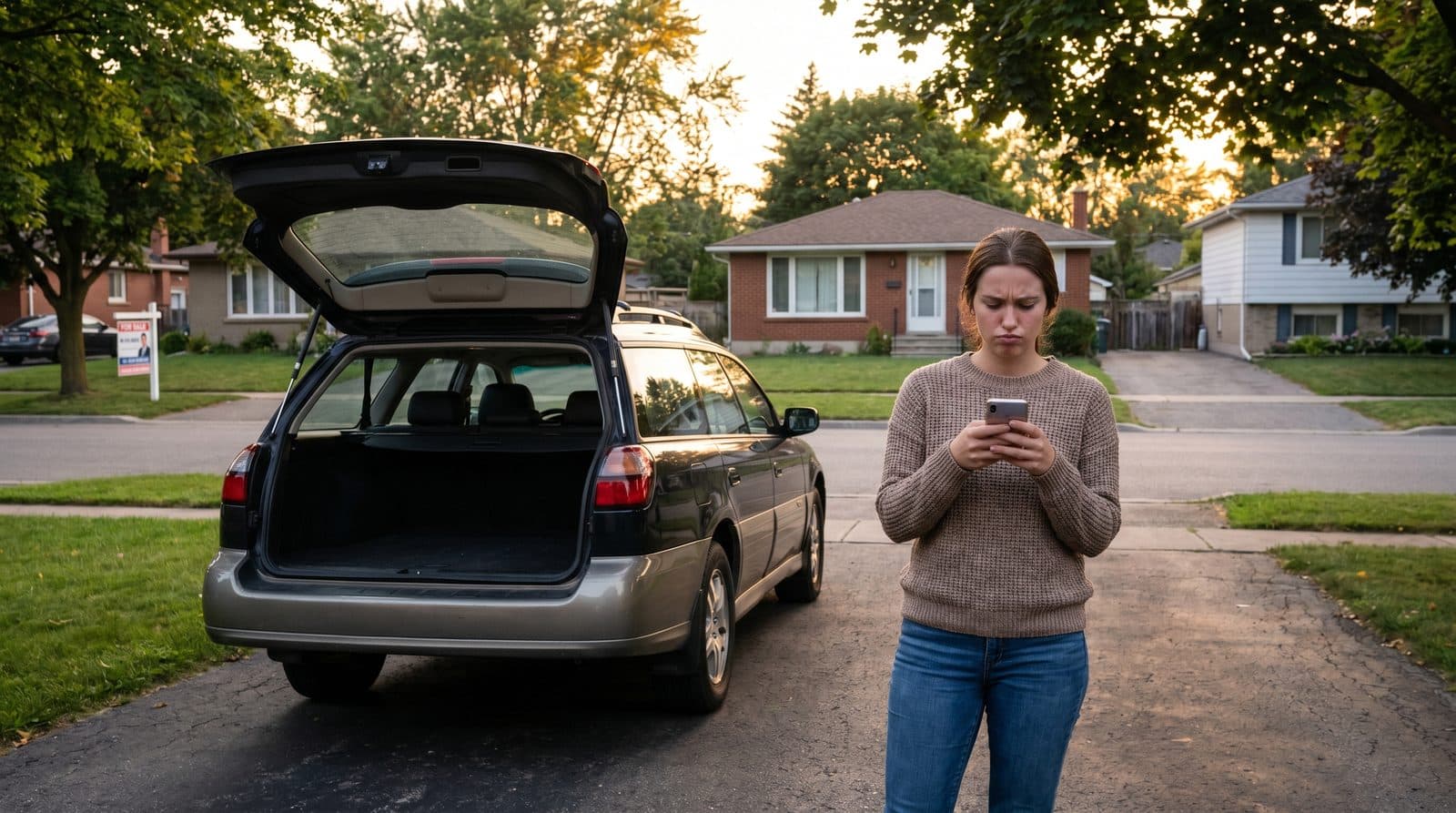
Except you didn't save $320. You spent an hour and ten minutes driving. You burned $12 in gas. You rearranged your Saturday morning. And that's the *best case scenario*, the one where the seller actually shows up and the item matches the listing.
Now consider the more common version: the seller ghosts. Or the desk has a crack they didn't photograph. Or it doesn't fit in your car. Suddenly your "free" transaction cost you half a day and zero dollars saved.
This is what I call the invisible convenience fee of buying on Canadian marketplaces. And in 2026, with more Canadians turning to secondhand than ever before, it's a problem worth confronting honestly.
The Numbers Are Staggering
A 2025 survey by Kijiji Canada found that 38 percent of marketplace transactions involve at least one failed meetup. The buyer or seller cancels, no-shows, or the item isn't as described. For transactions involving items over $100, that number jumps to 44 percent.
Think about what that means at scale. Millions of Canadians are collectively wasting millions of hours on transactions that go nowhere. That's not a minor inefficiency. That's a systemic failure hiding behind the word "free."
Why "Free" Transactions Aren't Free
Marketplace platforms have trained us to think that the absence of a transaction fee means the transaction is free. It isn't. Every marketplace purchase has hidden costs:
- Time: Messaging back and forth, scheduling, driving, waiting.
- Gas and transit: The average Canadian marketplace buyer drives 22 minutes each way for a pickup, according to Statistics Canada commuting data adapted to marketplace behaviour.
- Risk: No recourse if the item is broken, fake, or not as described. E-transfer sent, money gone.
- Opportunity cost: That Saturday morning you spent chasing a used desk? You can't get it back.
When you add these up, a "free" marketplace transaction easily costs $20 to $50 in real value, even when everything goes right. When it doesn't go right, you're looking at $50 to $100 in wasted time and fuel with nothing to show for it.
The Retail World Solved This Years Ago
Here's what's wild. If you buy that same desk new from Wayfair, you get photos from every angle, verified dimensions, a return policy, and delivery to your door. The convenience is baked into the price. You pay more for the item, but the total cost of the transaction is transparent.
Secondhand marketplaces give you a better price on the item itself but offload every other cost onto you. Inspection? Your job. Transport? Your problem. Verification that the item works? Good luck.
This isn't an argument against buying secondhand. I think buying used is almost always the smarter, more sustainable choice. But we need to stop pretending that the transaction wrapper around marketplace purchases is acceptable in 2026.
What a Better Model Looks Like
The solution isn't to abandon marketplaces. It's to fill the gaps they refuse to fill.
That's the thinking behind aerrand. Instead of driving across Windsor or the GTA hoping the listing is accurate, you send a verified Aerrander to inspect the item, confirm its condition, and deliver it to you. Payment sits in escrow until you approve. If the item isn't what was advertised, you don't pay.
Does it cost more than doing it yourself? Yes, a bit. But does it cost more than two failed trips, a tank of gas, and a Saturday you'll never get back? Not even close.
Canadians Deserve Better Than "Good Enough"
The secondhand economy in Canada is booming. Cost of living pressures, sustainability awareness, and a generational shift in attitudes toward ownership are all driving growth. But the infrastructure around marketplace buying has barely evolved since Kijiji launched in 2005.
We accept terrible logistics because we've never been offered anything better. That's changing. And honestly, it's about time.
The next time you find a deal on Facebook Marketplace, don't just calculate how much you're saving on the item. Calculate what the entire transaction will actually cost you. The number might surprise you.