The Feel-Good Story We Keep Telling Ourselves
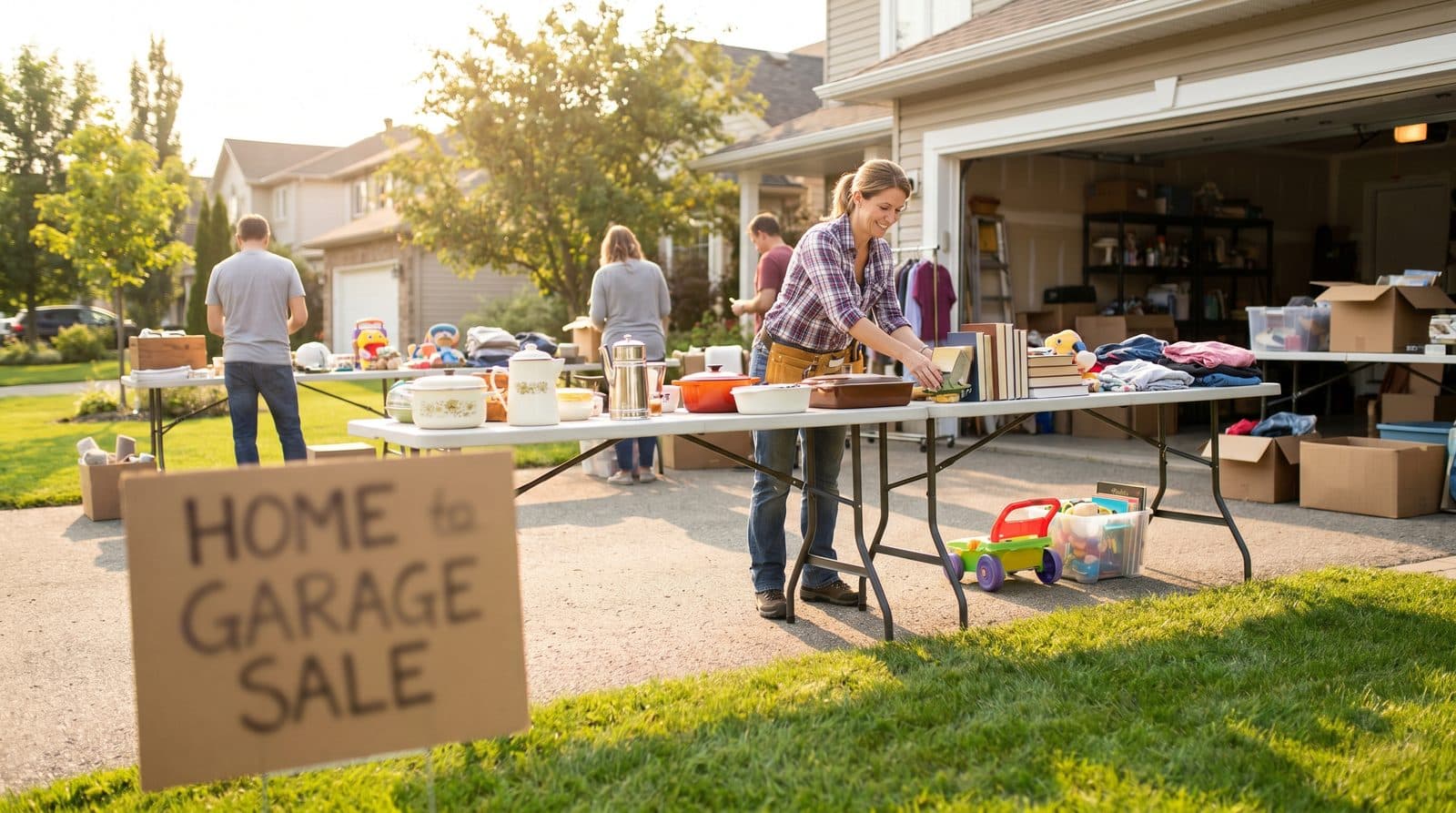
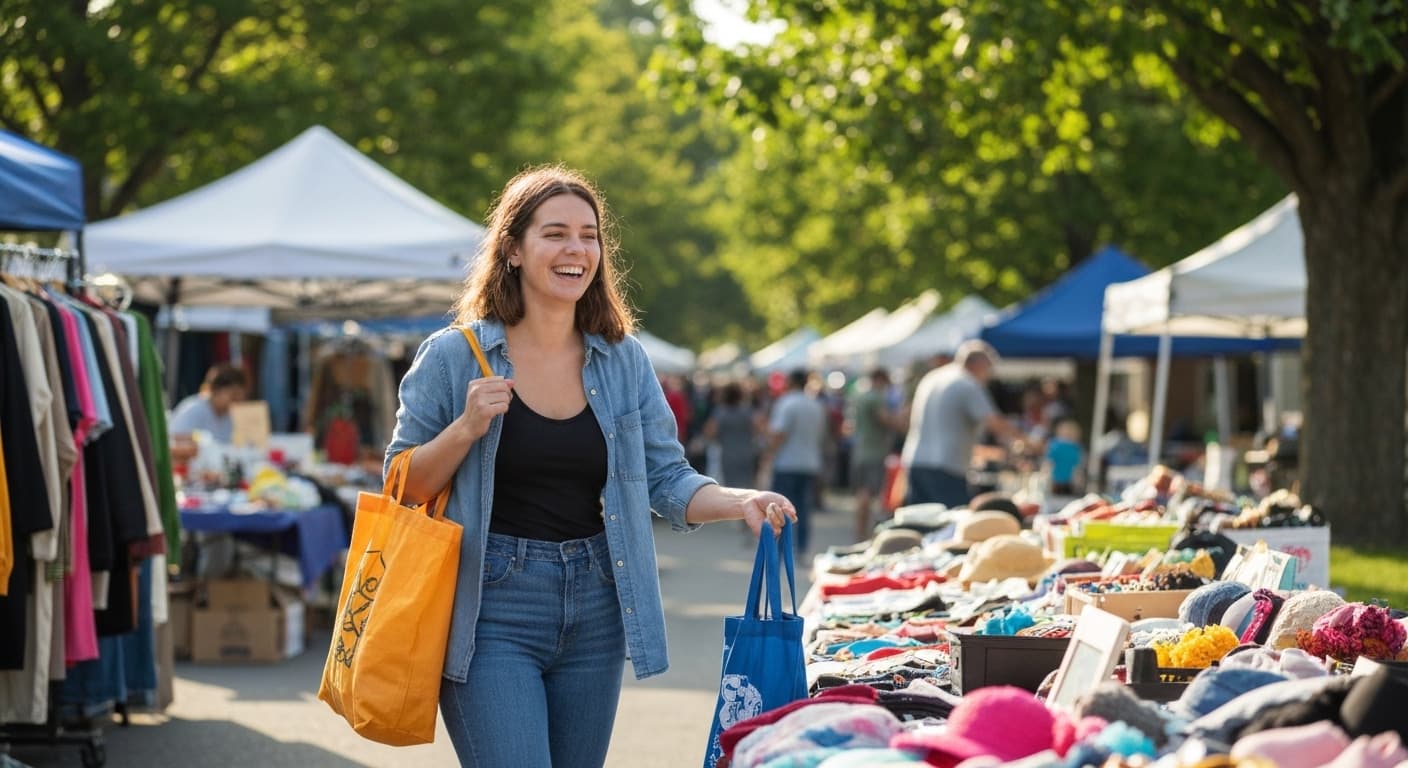
Secondhand shopping is having a moment in Canada. The numbers back it up. More Canadians are buying used goods than ever before, driven by the cost of living, environmental concerns, and the sheer convenience of platforms like Facebook Marketplace, Kijiji, and Poshmark.
And with every purchase, there's a warm glow. You saved money. You kept something out of a landfill. You're part of the solution.
Except it's not that simple. And I think it's time we had an honest conversation about what secondhand shopping actually accomplishes for sustainability, and where the narrative falls apart.
The Rebound Effect Is Real
Here's the uncomfortable truth that rarely makes it into the "I bought everything secondhand for a year" blog posts: buying used often enables buying more.
Researchers call it the rebound effect. You save $200 buying a used couch instead of a new one. What happens to that $200? In most cases, it gets spent on something else. Sometimes on another purchase. Sometimes on something brand new.
The secondhand market doesn't reduce consumption. It redistributes it. And when buying used feels virtuous, it can actually lower the psychological barrier to buying more stuff overall.
This isn't an argument against secondhand shopping. It's an argument against pretending that every used purchase is an environmental win by default.
When Secondhand Shopping IS Genuinely Sustainable
Let me be clear: buying used is almost always better than buying new from an environmental standpoint, when it directly replaces a new purchase. The key word is "replaces."
- Buying a used winter jacket because you need a jacket? Sustainable.
- Buying a used winter jacket because it was $15 and you already have three? That's just consumption with a different label.
- Buying used furniture for your apartment instead of ordering from IKEA? Genuinely keeps materials in circulation.
- Buying used furniture because you're redecorating every season based on TikTok trends? Less so.
The distinction matters, and most sustainability marketing around secondhand platforms ignores it completely.
The Logistics Problem Nobody Mentions
There's another angle that gets overlooked: the carbon cost of secondhand transactions themselves.
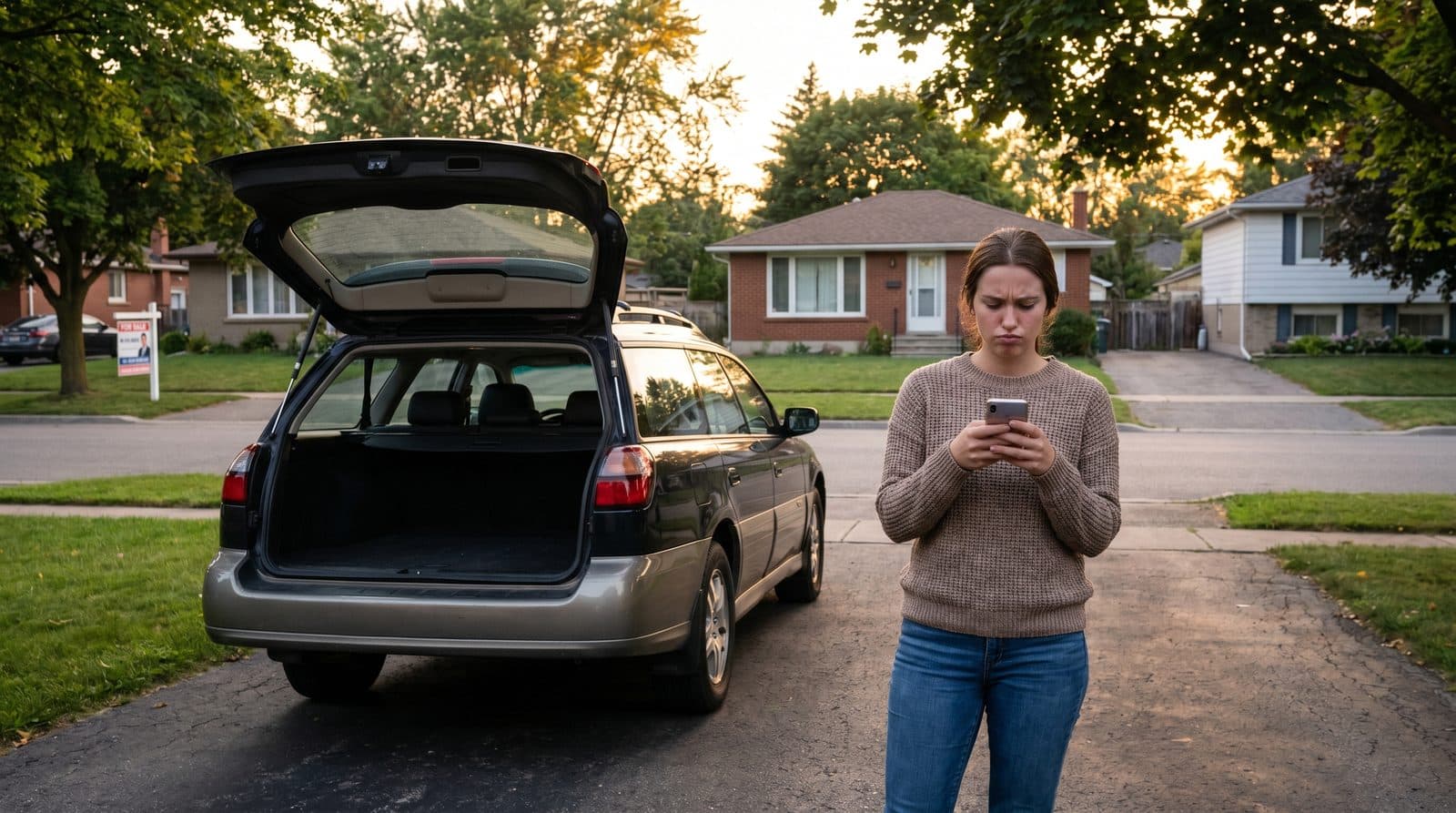
Think about how most marketplace deals work. The buyer drives across the city to inspect something. Maybe it doesn't work out, so they drive home empty-handed. The next buyer does the same thing. Multiply that by the millions of marketplace transactions happening across Canada every month.
All those individual car trips add up. A single delivery route that consolidates multiple pickups is far more efficient than ten separate round trips by ten separate buyers. This is one reason the delivery layer in secondhand marketplaces matters more than people realize. Services like aerrand don't just save time. By sending a local Aerrander who's already in the area to inspect and deliver, they cut down on the kind of redundant driving that makes marketplace shopping less green than it appears.
The Real Sustainability Win: Longevity
If you want your secondhand purchases to actually move the needle, focus on one thing: keeping items in use for as long as possible.
That means:
- Buying quality items that will last years, not trendy pieces you'll flip in six months
- Maintaining what you buy. A used appliance that gets properly cared for stays out of the landfill for a decade
- Reselling when you're done instead of tossing things in the garbage
- Being honest about need vs. want. Not every deal is worth taking
The circular economy only works if items actually circulate. Buying something used and throwing it away eighteen months later isn't much better than buying new.
Stop Letting Platforms Off the Hook
Here's my spiciest take: the platforms themselves benefit enormously from the sustainability narrative without doing much to earn it.
Facebook Marketplace, Kijiji, and others generate revenue from the volume of transactions. More listings, more activity, more ad impressions. Their incentive is to encourage more buying and selling, not less.
None of the major platforms track or report the environmental impact of their transactions. None offer tools to help buyers assess whether they actually need something. The "sustainable" branding is a marketing convenience, not a mission.
What This Means for You
I'm not telling you to stop buying secondhand. I'm telling you that the environmental benefit isn't automatic. It requires intention.
Before your next marketplace purchase, ask yourself one question: "Would I be buying this new if I couldn't find it used?"
If the answer is yes, you're making a genuinely sustainable choice. If the answer is no, you're just shopping.
Both are fine. But only one of them is saving the planet.