Something Big Is Happening to Secondhand Shopping
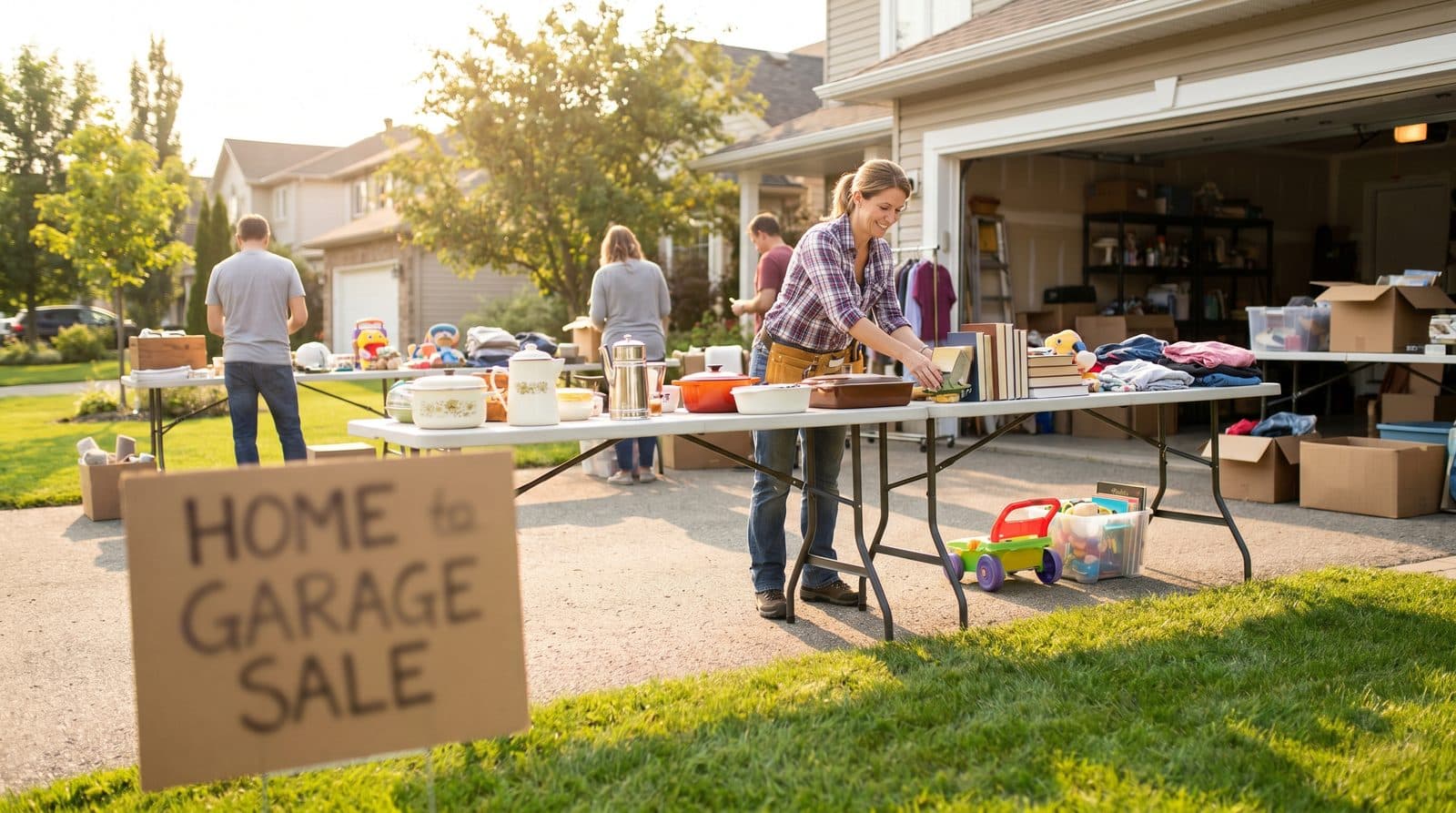
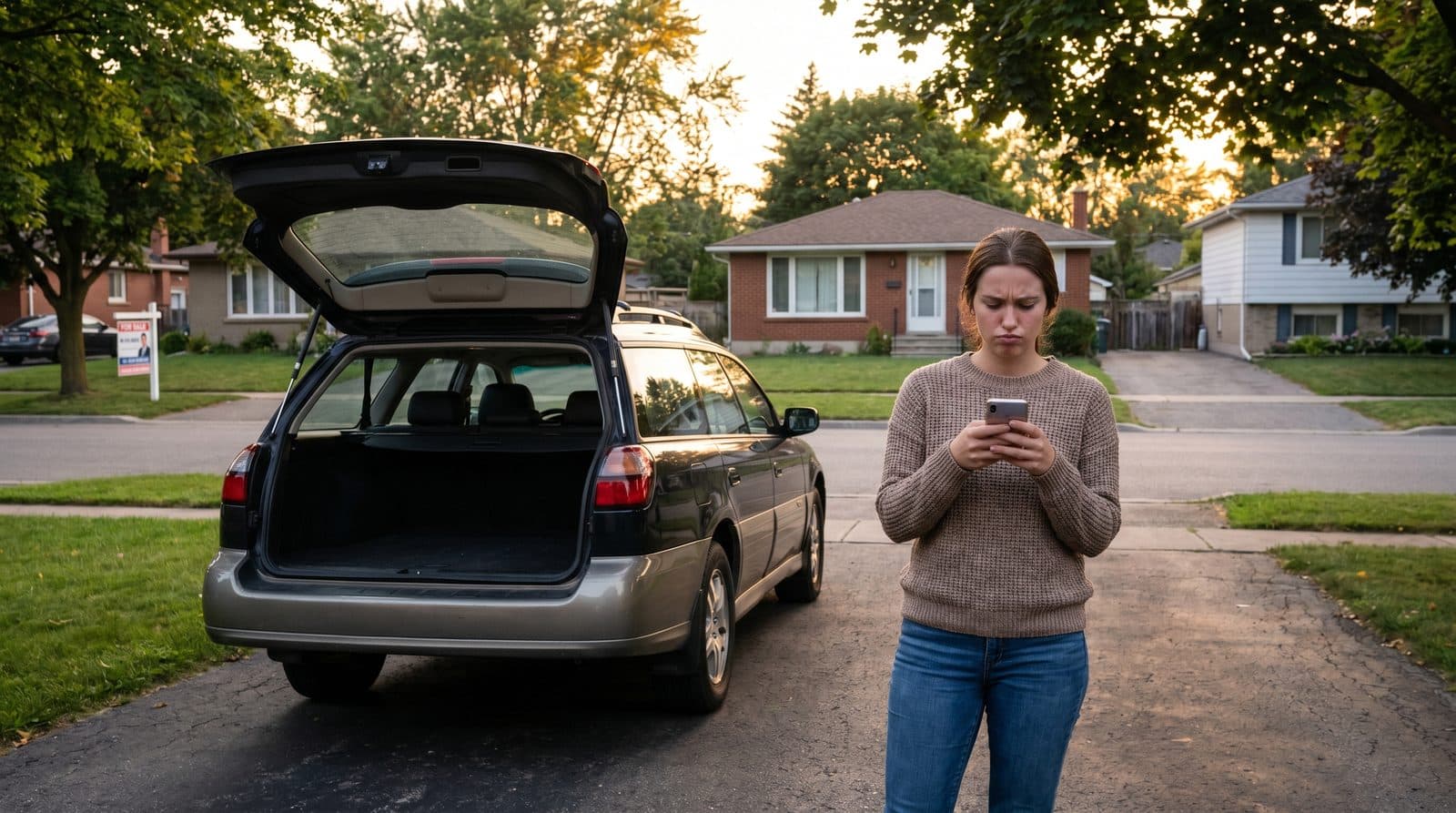
Let me paint you a picture of how buying something on Facebook Marketplace worked in, say, 2019. You find a listing. You message the seller. You wait hours (or days) for a reply. You agree on a time. You drive 30 minutes to a stranger's house. You awkwardly inspect the item in their driveway while they watch. You hand over cash. You drive home and hope you didn't just buy garbage.
Now it's 2026, and that experience is starting to feel as outdated as renting DVDs from a store. The shift is being driven by something most people don't associate with secondhand shopping: the gig economy.
From Rides to Deliveries to Inspections
The gig economy followed a predictable path. First, it disrupted taxis. Then restaurant delivery. Then grocery runs. Each time, the pattern was the same: take a task people already do, add flexible independent workers and a layer of technology, and make it faster, cheaper, and more reliable.
Secondhand marketplace transactions are the next domino. And honestly, it's overdue.
Think about it. The biggest friction points in buying used aren't about finding good stuff. Canadian marketplaces are overflowing with quality secondhand items, especially right now during spring cleaning season. The friction is everything that happens after you find the listing: coordinating schedules, traveling to inspect, trusting a stranger, handling payment safely, and getting the item home.
Those are logistics problems. And the gig economy is very, very good at solving logistics problems.
Why This Matters More in Canada
In a country as spread out as Canada, this trend hits differently. Even within cities, distances add up. In Windsor, driving from Riverside to South Windsor to look at a used desk is a 25-minute round trip, minimum. Factor in the chance the seller flakes, and you've burned an hour for nothing.
Now multiply that by the reality that most marketplace buyers browse multiple listings before committing. The time cost of secondhand shopping has always been its hidden tax, one that quietly pushes people back toward buying new on Amazon even when they'd prefer not to.
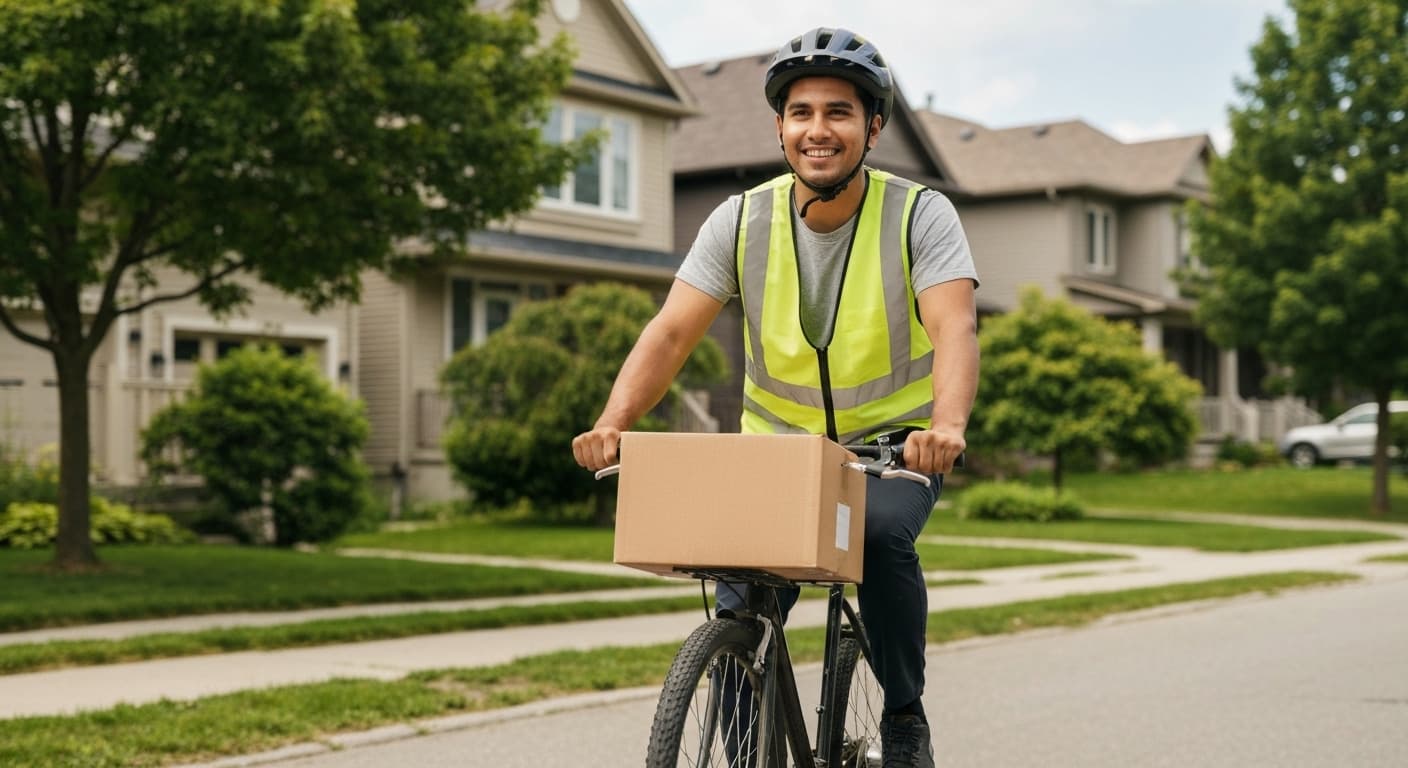
Gig-powered services are eliminating that tax. Companies like aerrand are putting verified drivers on the road who can inspect items, confirm quality, and handle delivery, all while buyers and sellers stay home. It sounds simple, but it fundamentally changes the math on whether buying secondhand is "worth the hassle."
Spoiler: when you remove the hassle, the answer is almost always yes.
The Trust Layer That Marketplaces Never Built
Here's my slightly spicy take: Facebook, Kijiji, and Craigslist failed their users by never building trust infrastructure. They connected buyers and sellers, and then basically said "good luck." No payment protection. No verification. No delivery. Just a messaging system and a prayer.
The gig economy is filling that gap from the outside. Verified drivers act as neutral third parties. Escrow payment systems protect both sides. Photo-verified inspections replace blind faith.
This isn't just convenience. It's a fundamental upgrade to how peer-to-peer commerce works. And it's happening because independent gig workers can provide these services affordably and flexibly in a way that a traditional company with salaried employees and delivery trucks never could.
What This Means for You
If you've been hesitant about buying secondhand online because of bad past experiences, the landscape has changed. Here's what's different now:
- You don't have to meet strangers in person if you don't want to
- You can get items inspected before you pay through third-party services
- Escrow payment means your money is protected until you confirm the item is what was advertised
- Delivery is becoming same-day and affordable, not a $200 courier quote
The secondhand market in Canada is projected to keep growing through 2026 and beyond, driven by cost of living pressures and genuine environmental awareness. But growth alone doesn't improve the experience. The gig economy does.
The Future Is Already Here
We're watching the secondhand marketplace evolve from a digital garage sale into a real, trustworthy shopping channel. The gig economy is the engine making it happen. And for Canadian buyers who want quality items at fair prices without the usual headaches, that's nothing but good news.
The only question is how long it takes the big platforms to catch up, or whether they even need to.